banana stem benefits

Banana Stem Benefits: Powerful, Proven Health Boosts

Banana Stem Benefits: The Ultimate Guide to Its Healing Powers They remember the first time a market vendor in Chennai sliced open a pale, crisp cylinder. He said, “Taste this.” It was banana stem—vazhaithandu—cool on the tongue, mild, and clean. In a city that runs hot, it felt like steady rain after a long day. They have seen how a simple glass of diluted juice or a quick poriyal can bring comfort. It eases digestion and gives steady energy. Across India, families have long trusted the plantain stem for everyday balance. Modern science is catching up. Studies now point to fiber that feeds the gut, minerals that support the heart, and bioactive compounds with antioxidant strength. The health benefits of banana stem are not a trend; they are time-tested wisdom backed by data. This guide makes room for both—the memory of home kitchens and the lab bench. It looks at banana pith benefits, vazhaithandu benefits, and plantain stem benefits through clear, practical lenses. Readers will find banana stem uses for busy weeks, gentle banana stem detox ideas for heavy days, and evidence that places banana stem health benefits in a new light. Per 100 g, the stem is light on calories and rich in potassium, with helpful fiber and vitamin C. People use it as juice, salad, raita, or smoothie. Many turn to it for urinary comfort in peak summer. In short, banana stem benefits offer a grounded way to feel lighter, hydrate better, and care for the gut—without fuss or hype. Banana Stem Benefits: Key Takeaways What Is Banana Stem (Vazhaithandu/Plantain Stem) and Why It Matters The banana stem is the tender inner core of the banana pseudostem. In India, it’s a common sight in meals and festivals. It’s valued for its mild taste and crisp texture. Families use banana stem for quick salads and slow-cooked sides. They also enjoy its hydrating and digestive benefits. Banana stem water is great for staying cool in hot weather. At its core, this ingredient bridges tradition and smart nutrition. Home cooks love its clean flavor. Cafés and startups experiment with banana stem recipes for busy lives. Fresh juices and sherbets are perfect for a quick pick-me-up. Banana pith, stalk, and plantain stem: local names and uses in India In Tamil Nadu, it’s called vazhaithandu. In North India, it’s known as kele ka tanha or kele ka tana. In Gujarat, it’s bonde dudhi. In Kerala, it’s used in thoran. In Karnataka, it’s in palya. These names show its versatility in cooking. It’s used in sautés, raitas, and juices. Many households enjoy it with curd, lemon, or spices. They see vazhaithandu as a way to balance their diet. Undervalued by-product with rising functional food potentials India produces a lot of bananas, but the pseudostems are often wasted. Scientists find bioactives in the core. These could be used in more ways than just eating. Food innovators turn the core into flours and blends. This supports sustainability and creates clean-label drinks. It adds value to farms and kitchens. Traditional consumption as juice, poriyal, salad, raita, and smoothies Classic recipes include poriyal, kootu, and pachadi. It’s also used in salads and raita. Street vendors and cafés offer banana stem juice with lemon or buttermilk. Smoothies add ginger, mint, or coconut for a refreshing taste. Cooking with banana stem keeps traditions alive. It also makes meals that fit today’s busy lives. Banana Stem Nutrition: Calories, Fiber, Vitamins, and Minerals Banana stem is a light, hydrating food with a crisp bite. It has a gentle flavor. In Indian kitchens, it’s great for weekday meals and summer drinks. It supports everyday wellness and health benefits for all ages. Banana Stem Nutrition: Calories, Fiber, Vitamins, and Minerals Banana stem calories and macronutrients per 100 g It has about 39.43 kcal per 100 g. It’s very low in fat and has modest starch. It has roughly 0.35 g protein, 0.16 g fat, 4.51 g starch, and 2.12 g dietary fiber. It has tiny amounts of mono- and polyunsaturated fats. This keeps the energy density low. Component Amount per 100 g Why it matters Energy ~39.43 kcal Light option for meals and juices Protein…

Read More
Best Rosemary Oil for Hair Growth

Best Rosemary Oil for Hair Growth: 11 Proven, Trusted Picks

Best Rosemary Oil for Hair Growth: 11 Proven Oils to Restore Strong, Healthy Hair Hair loss can feel very personal. Losing a few strands can hurt more than a mean comment. In India, many remember weekend oiling and warm scalp massages. These memories meet modern science with rosemary essential oil for hair. This guide picks the best rosemary oil and hair care products. It fits real routines, budgets, and goals. Experts like Dr. Brendan Camp and Dr. Jeannette Graf share their insights. It also includes editor-tested formulas and natural remedies for sensitive scalps and textured hair. Progress takes time. The Skinmed 2015 trial shows rosemary oil works over months. Whether you’re looking for the best rosemary essential oil or natural treatments, this list has you covered. It offers clear labels, thoughtful carriers, and formats for a lasting routine. best rosemary oil for hair growth For those in India looking for the best rosemary oil, this list is perfect. It combines science with cultural care. The goal is to make daily hair care easier, gentler, and more effective. Key Takeaways Why Rosemary Oil Is Trending for Hair Growth and Scalp Health In India, people are choosing essential oils for hair growth. They like rosemary oil because it’s light and smells fresh. It’s easy to mix with daily hair care. Many use it with scalp serums from brands like Divi. They also use styling-safe blends from Mielle Organics. This helps keep hair clean and supports blood flow. What research suggests about rosemary oil vs minoxidil A 2015 study by Panahi and colleagues looked at rosemary oil and minoxidil 2% for hair loss. Both helped over time. This made people interested in natural options. Even though minoxidil is approved by the FDA, rosemary oil is seen as a good addition. It helps with scalp care. Who benefits most: thinning hair, women’s hair thinning, men’s hair growth People with thinning hair like rosemary oil because it’s easy to use. It’s good for women’s hair thinning after stress or seasonal changes. The formula is light and doesn’t leave residue. Men also use rosemary oil for hair growth, even in the early stages. They like blends with biotin, like Mielle Organics. Or non-greasy serums from Divi. Expected timelines for results and realistic before-and-after expectations Dermatologists say to use hair growth routines for 3–4 months. This is because hair growth is slow. Early signs include a cleaner scalp feeling in weeks. Fullness may take 3–6 months. Small changes, like baby hairs, can start early. Using rosemary oil with care and patience is key. It’s important to keep expectations realistic. How Rosemary Essential Oil Works on the Scalp and Hair Follicles In India, hair care meets science with rosemary essential oil. It’s great for a cleaner, calmer scalp. This helps hair grow better. Mixing it with peppermint or bisabolol can make it even more effective. Improved microcirculation and follicle support Massaging your scalp with rosemary oil can boost blood flow. This brings oxygen and nutrients to hair follicles. It’s like making your scalp work better for thicker hair. Some products mix caffeine or peptides with rosemary oil for thicker hair. A daily routine keeps your scalp healthy without feeling heavy. Anti-inflammatory and antimicrobial benefits for dandruff and itchy scalp Rosemary oil is great for calming and cleaning your scalp. It’s good for dandruff because it fights off bad stuff. It works well with vinegar or clarifying shampoos to get rid of flakes. For itchy scalps, rosemary oil is a good choice. It’s often used with bisabolol or probiotics. Regular use keeps your scalp comfortable. Key chemotypes: ct. cineole vs ct. verbenone and what they mean Chemotypes like ct. cineole and ct. verbenone tell you about the oil’s natural makeup. Ct. cineole has a strong scent that’s good for scalp massages. Ct. verbenone is milder for everyday scalp care. It’s good for all kinds of weather and personal preferences. Steam-distilled, organic, and GC/MS-tested quality markers Look for steam-distilled and organic rosemary oil for the best quality. These signs mean the oil is pure and safe for your scalp. GC/MS-tested oil is also a good sign. It shows the oil’s true scent. In India, people avoid harsh chemicals to keep their hair care simple and effective. Editor-Trusted, Expert-Approved: What to Look for in a Top Quality Rosemary Oil People in India want to know if a product really works. When looking for the best rosemary oil for hair, check for purity and safety. Also, make sure it smells good and doesn’t irritate the scalp. Pure rosemary essential oil vs rosemary hair oil vs shampoo/serum formats…

Read More
Man applying a small amount of non-greasy hair cream for men in bathroom mirror.

Hair Cream for Men: Powerful, Proven Picks for Great Hair

Hair Cream for Men: Expert-Approved Solutions for Great Hair The first time they walked out into peak Mumbai humidity, they felt the air win. Frizz rose. Parted hair fell flat by noon. That was the moment they reached for men’s hair cream—seeking control that felt like their hair, not a helmet. This guide focuses on hair cream for men because it fits real life. It’s for crowded trains, office AC, weekend heat, and sudden showers. Editors at Byrdie and GQ say styling cream for men gives light-to-medium hold, natural movement, and easy rinse-off, without flakes or crunch. It’s a key part of men’s hairstyling essentials when days run long and weather swings fast. It highlights top-rated hair creams for men tested by pros and writers. From GQ’s award-winning Highland Glacial Cream to smart picks for every hair type. Readers will see how hair styling cream men products tame frizz, add texture, and nourish with aloe and glycerin. Those looking for the best hair cream for men will find simple steps, expert advice, and clean formulas that work for India’s climate. Key Takeaways Why Choose Styling Cream Over Gel, Pomade, or Wax Most days, we want hair that’s touchable, not stiff. GQ editors say cream gives direction, tames frizz, and supports curls. It’s perfect for India’s heat and humidity, giving a natural look that rinses out easily. Hair cream vs gel: natural movement without stiffness Byrdie found gels like Harklinikken can be too stiff. But hair cream offers soft control. It’s great for restyling after a workout or commute, keeping waves and curls defined. Hair cream vs pomade: lighter feel, less shine Pomades like Imperial Classic add shine and sleek lines. But hair cream is better for everyday wear. It gives a subtle look, perfect for offices where shine is not wanted. Hair cream vs wax: flexible control and easy washout Waxes and clays grip hard and give a matte look. But cream offers flexible control and washes out easily. It’s great for layered cuts where movement is key. When medium or strong hold is actually needed Some styles need more hold. Medium hold cream is good for neat styles. But for slick backs or helmet-like looks, gel or pomade might be better. They keep your style in place under heat and sweat. Product Type Typical Hold Finish/Shine Best For Pros Trade‑offs Cream Light to Medium Natural to Low Shine Daily control, waves, curls Reworkable, easy rinse, breathable feel Less structure for tall shapes Gel Medium to High High Shine Slick, structured looks Strong hold, clear definition Can feel stiff; limited restyle Pomade Medium to High Medium to High Shine Slick backs, classic parts Flexible control, smooth finish Can look greasy; thorough wash needed Wax/Clay Medium to Strong Matte Texture, separation, volume Durable shape, gritty lift Dense feel; harder to distribute and rinse Bottom line for daily grooming: Choosing hair cream over gel, pomade, or wax depends on feel, shine, and washability. Light hold cream is perfect for easy days. Medium hold cream offers a balance of control and style without losing touchability. Editors’ and Experts’ Tested Picks: Powerful, Proven Creams…

Read More
Hands massaging almond oil into scalp with bowl of almonds nearby.

Benefits of Almond Oil for Hair: Proven Amazing Growth

Benefits of Almond Oil for Hair: Proven Amazing Growth, Shine & Strength Many people in India pause before the mirror, counting hair strands. They hope tomorrow will be better. In this moment, they often turn to sweet almond oil for hair. It’s a trusted choice for generations. Almond oil is made from almond seeds. It’s full of protein, omega-9, and vitamin E. It supports hair health in a way that feels both old and new. Experts say it’s lightweight and absorbs quickly. It adds shine without feeling heavy. It also soothes the scalp on dusty days. Even though there aren’t many studies, almond oil helps hair break less. This means hair can look longer over time. Is almond oil good for hair that tangles, frizzes, or feels dry? Yes. It fills gaps, smooths the cuticle, and helps hair grow. It also protects hair and soothes sensitive scalps. From massages before washing to light drops after, almond oil works for hair and scalp health. It fits into real routines and gives real results in India. This guide will explore almond oil’s benefits for hair growth. It will show how to use it and what to expect. It will also cover blends, safety, and smart choices. Every drop will work harder for shine, strength, and calm, nourished roots. Key Takeaways What Is Sweet Almond Oil and Why It’s Used in Hair Care Sweet almond oil is a key part of Indian hair care. It adds slip, shine, and makes detangling easy. It’s light and doesn’t weigh hair down. Sweet almond oil benefits for hair come from its gentle nature and nutrients. It works well with serums and conditioners. Finding the right sweet almond oil is important for hair growth and shine. Unrefined vs. refined sweet almond oil Unrefined almond oil comes from ripe almonds without high heat. This keeps more nutrients and smell. Refined oil has a neutral scent and lasts longer but may have fewer nutrients. Unrefined oil is better for hair because it has more fatty acids and antioxidants. It’s often used in hair masks. Refined oil is better for cooking or when you want no scent. Key nutrients: vitamin E, A, D, magnesium, omega-6 and omega-9 Almond oil has vitamin E, which is good for the scalp and shine. It also has vitamins A and D, and magnesium. These help with daily hair care. When looking for the best sweet almond oil, check for pure, unrefined, or cold-pressed. This ensures the oil’s benefits for hair care. Lightweight, fast-absorbing texture ideal for hair The texture of sweet almond oil is why stylists like it. It absorbs fast, feels light, and works under leave-ins. It’s great for fine to medium hair that needs moisture. Used a little, sweet almond oil adds shine and makes combing easier. It’s light, so it works with gels or creams. It keeps hair soft and supple over time. Benefits of Almond Oil for Hair Almond oil can make hair soft, shiny, and scalp comfortable. It’s popular in India for daily hair care. Its lightweight feel works well in humid weather and with different hair types. Benefits of Almond Oil for Hair Softens and smoothes by filling gaps along the hair shaft (emollient action) It fills tiny gaps in hair, making it smooth and easy to comb. This reduces hair snagging on brushes. Regular use helps tame frizzy hair, giving it a soft finish. Strengthens strands, reduces breakage, and helps prevent split ends Almond oil lowers friction during grooming. This protects fragile hair from damage. It helps prevent split ends and repairs them over time. Boosts shine and improves manageability over time It makes hair shiny by smoothing its surface. Flyaways are controlled, and combing is easier. With regular use, hair looks thicker and healthier. Supports scalp health with soothing and antioxidant properties Vitamin E and antioxidants protect the scalp from daily stress. A calm scalp helps with hair loss. Almond oil supports hair health over time. Almond Oil for Hair Growth Benefits: What Research and Experts Indicate Dermatologists and trichologists say routine care is key. Almond oil helps with hair resilience, scalp comfort, and keeping hair long. People in India often ask how to use almond oil for hair growth. Experts suggest a consistent routine and gentle handling. How stronger, less brittle hair can appear to grow longer There are no clear studies showing faster hair growth. But, when hair breaks less, it seems longer. Sweet almond oil helps with this. Regular use makes hair less prone to breakage. This leads to fewer split ends, helping hair appear thicker. Almond oil also makes hair look longer between haircuts. Role of vitamin E and antioxidants in protecting follicles Sweet almond oil has vitamin E and antioxidants. These protect against UV and pollution damage. This is good for keeping follicles and scalp healthy. Experts say magnesium and vitamin E help the scalp. Some dermatologists talk about biotin’s role in keratin. This raises the question: does almond oil thicken hair naturally? While results vary, these nutrients help with hair thickening….

Read More
Tall glass of sweet lime juice with ice, surrounded by whole and sliced limes on a rustic wooden table in natural sunlight.

Sweet Lime Juice Benefits: Proven Tips for Vibrant Health

Sweet Lime Juice Benefits: Science-Backed Tips for Vibrant Health In Mumbai’s heat, a cold glass of mosambi juice is like a cool breeze. It’s smooth, not harsh, and makes you breathe easier. Many in India love this drink for its health perks. Science backs up its soothing taste. A 1-cup serving has 73 calories, 19.5 g of carbs, and 12.3 g of sugars. It also has 1.4 g of protein and 56.1 mg of vitamin C, almost a day’s worth. This mix helps explain why it’s good for health in hot weather. It boosts immunity, aids digestion, and helps recover from exercise. In the next parts, they’ll learn how to enjoy it more. They’ll discover tips for staying cool, the role of electrolytes, and how it supports health. Sweet Lime Juice Benefits This guide combines the best of sweet lime juice for health. It offers practical tips and connects tradition with science. It shows how drinking mosambi juice can improve digestion, immunity, and even skin and hair health. Key Takeaways What Is Sweet Lime (Mosambi)? Origin, Seasonality in India, and Why It’s a Cooling Drink Mosambi is a favorite citrus fruit in India. It has a green skin that turns yellow when ripe. Trees grow well in warm places and start bearing fruit after 5–7 years. They produce lots of fruit for the next 10 years. People love to drink mosambi juice because it tastes mild and is refreshing. It’s a classic choice for cooling down in summer. Mosambi vs orange benefits in Indian diets When comparing mosambi vs orange benefits, mosambi wins for everyday use. It’s great for drinking because it’s gentle and hydrates well. It’s also easy to find in markets all year, not just in winter. Sweet lime’s low acidity and gentle flavor profile Sweet lime has less acidity than most oranges. This makes it gentle on the taste buds. A sweet lime juice cooling drink is perfect for hot days. Adding a bit of lime juice to your diet adds a soft citrus flavor. Or, drink mosambi juice straight for a calming drink that’s not too strong. Availability windows in India and ideal climate In India, sweet lime is in season from July–August and again from November–March. These times match the hottest and most humid months. People look for cooling drinks, and sweet lime is a natural choice. Warm weather, good soil, and plenty of sun help the trees grow well. This makes mosambi a reliable choice when it’s hot and you need to stay hydrated. Sweet Lime Juice Nutrition: Vitamins, Antioxidants, and Electrolytes Indians love mosambi when it’s hot outside. Sweet lime juice is refreshing and full of good stuff. It has vitamins, antioxidants, and electrolytes. A 1-cup serving is light and easy to drink. It gives you quick energy from carbs. Serving (1 cup / 248 g) Amount Why It Matters Sweet lime juice calories ~73 calorie Low energy load aids portion control in hot weather Carbohydrates ~19.5 g Primary fuel for quick pick-me-up Sugars ~12.3 g Fast-absorbing sugars for timely energy Protein ~1.4 g Small support for satiety Fat ~0.2 g Very low fat keeps it light Fiber ~0.6 g Minor fiber; whole fruit offers more Sodium ~3 mg…

Read More
Mamra Badam Benefits

Mamra Badam Benefits: Unlock Amazing Health Naturally

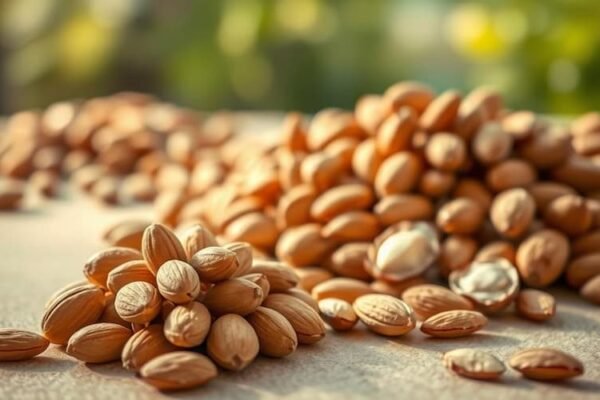
Mamra Badam Benefits: Your Natural Guide to Better Health They remember the first time Mamra hit their tongue. It was warm, nutty, and crisp. There was a hint of sweetness that lingered. This small ritual, with morning chai, became a promise. It was a quiet promise to care for their body and mind. Across India, many look for simple ways to improve health. Mamra almonds are prized for their flavor and nutrition. They are packed with healthy fat, protein, fiber, and antioxidants. They fit into busy lives, family meals, and mindful choices. This article will explore Mamra Badam Benefits in simple terms. It will explain how Mamra almonds benefit the heart, brain, skin, and digestion. It will also show how they differ from regular almonds. And how to use them to improve nutrition. Key Takeaways What Makes Mamra Almonds Unique for Overall Health Mamra almonds are special. They are loved in India for their taste and nutritional value. They have a rich flavor and a sweet smell. Origin and rarity: Iran’s Rafsanjan, Kerman, and Bam regions The mamra comes from Rafsanjan, Kerman, and Bam in Iran. The dry climate and sun make them taste rich and firm. They are picked by hand and dried carefully. This makes them rare and expensive in India. The kashmiri mamra badam benefits are also well-known. People say they are better because they are grown naturally. High oil content and crunchy texture that distinguish Mamra Mamra almonds have a lot of oil. This makes them taste rich and feel crunchy. They have a big kernel and a light skin. Cooks love them for their flavor and texture. They are great in desserts and special dishes. They stay fresh and tasty even after roasting. Superior nutritional profile compared to many regular almonds Mamra have a lot of protein and healthy fats. They also have a lot of vitamin E. A small handful has 7 g of protein and 14 g of healthy fats. They are better than regular almonds because they are more filling and tasty. People who want the best quality almonds choose mamra for their health benefits. Mamra Badam Benefits Mamra almonds are rich, crisp, and full of nutrients. They fit well into Indian meals. Their healthy fats, fiber, and protein give energy and balance. They help with heart care, weight goals, bones, and skin health. You don’t need to change your diet a lot. Mamra Badam Benefits Heart health support via monounsaturated healthy fats Mamra almonds have monounsaturated fats. These fats keep cholesterol levels steady. This helps the heart and reduces heart disease risk. They also have fiber that works with fats to improve lipid balance. This is good for heart health. Eating them regularly is a healthy habit. Antioxidant protection powered by vitamin E Mamra almonds have a lot of vitamin E. Vitamin E protects cells from damage. This is good for the heart and skin. Vitamin E also helps the immune system. It’s great for busy weeks. Staying full longer: protein, fiber, and fats for weight management Mamra almonds have protein, fiber, and healthy fats. These keep you full. This helps with weight management. Eating them can also give you steady energy. They’re good for workdays. They help avoid heavy, fried foods. Bone and joint support with calcium, magnesium, and phosphorus Mamra almonds have calcium, magnesium, and phosphorus. These minerals help bones and joints. They also help muscles and movement. Eating them regularly is good for bones and joints. They support active lifestyles. This is important for long-term health. Mamra Badam Benefits vs Normal Badam (Regular/California) and Kashmiri Varieties Mamra badam and normal badam have different benefits. They vary in nutrients, antioxidants, and how they fit into Indian diets. People choose between kashmiri mamra and regular almonds based on taste, texture, and how they are made. Price and availability differ widely, but so do taste and texture. In Mumbai and Delhi, people pick Mamra for sweets and regular almonds for snacks. Mamra Badam Benefits vs Normal Badam and Kashmiri…

Read More
Badam Pisin benefits – almond gum with amber pieces and almonds on table for natural cooling and digestion

Badam Pisin Benefits: Almond Gum Uses, Effects & Health Guide

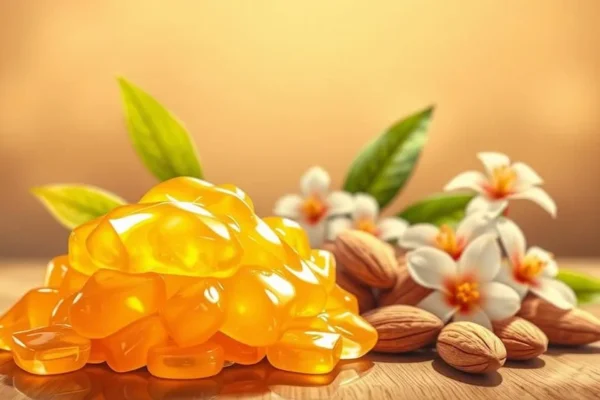
English · हिंदी Last reviewed and updated on 15 September 2025 — covers the latest Badam Pisin benefits, almond gum uses, effects and health tips in India. Introduction: Badam Pisin Benefits In Chennai’s heat, a glass of rose milk with badam pisin was like a cool breeze. Many in India find comfort in it. They use almond gum for heat, acidity, or tiredness. This guide shares health benefits and what readers want to know. It talks about how the gum forms a jelly and its cooling effect. It also shows how to use it in daily cooking. Almond gum is used in many Indian drinks like sharbat and falooda. It’s simple, soothing, and affordable. It helps with hydration, digestion, and skin health. Used wisely, it’s a daily promise of coolness and kindness. Thinking of adding Badam Pisin to your routine? Before you do, read through this guide to understand not just the benefits, but…

Read More
Smiling young woman with long shiny hair beside a glass bottle of cold pressed coconut oil in natural light.

Cold Pressed Coconut Oil Benefits That Transform Health

Cold Pressed Coconut Oil Supercharges Health & Energy They remember the first spoon of cold pressed coconut oil. It was warmed between their fingers. The faint aroma of fresh coconut rose like a familiar kitchen story. In many Indian homes, this scent means care. It means hair oiled before school, a crackling tadka, or a gentle remedy when the season changes. Today, that same tradition meets science, and the promise feels both comforting and new. This guide explores cold pressed coconut oil benefits with clear, practical insight. It covers how virgin coconut oil differs from refined, why organic coconut oil sourcing matters, and where it truly shines—in energy, hair, skin, and daily cooking. It also speaks honestly about limits: high calories, saturated fat, and cholesterol concerns that the American Heart Association flags for smart use. Readers will see how MCTs, like lauric acid, can fuel quick energy. They support oral care and help the skin barrier. But, learning when moderation is wise is also important. For those curious about cold pressed coconut oil for weight loss naturally, the goal here is balance. Evidence, tradition, and daily choices that fit Indian kitchens and routines are what we aim for. Key Takeaways What Is Cold-Pressed, Virgin, and Organic Coconut Oil? In Indian kitchens and beauty routines, cold pressed coconut oil is popular. It’s next to virgin and organic coconut oil. Each term shows how the oil is made and why it tastes and smells different. Knowing these labels helps us use cold pressed coconut oil wisely and buy it with confidence. Cold pressed means oil is squeezed from fresh coconut meat at low temperatures. This method keeps the oil’s clean coconut taste and minimizes processing. It’s great for cooking, skincare, and hair care. How cold pressing preserves antioxidants and flavor The cool press keeps antioxidants stable. Studies show it has tocopherols, tocotrienols, and more. This is why cold pressed coconut oil smells like fresh coconut and tastes great in chutneys and laddoos. It’s also good for hair and skin. A little bit can be used as a hair mask or body oil. This keeps the natural scent. Virgin vs. refined: processing, aroma, and purity Virgin coconut oil is made from fresh coconut without high heat. It has a strong aroma and is good for baking and curries. Refined oil, made from dried copra, is better for stir-fries and roasting. Virgin oil keeps more nutrients because it’s processed less. Refined oil is better at high heat but loses some nutrients. Knowing this helps choose the right oil for different dishes. Organic sourcing and why it matters Organic coconut oil means coconuts were grown without harmful chemicals. It’s better for the soil and can taste cleaner. Organic and virgin oils don’t change the fat content but might keep more antioxidants. In India, looking for organic labels is important. It shows the oil is made from clean coconuts. People who want the best taste often choose organic or cold pressed oil. Buying cold pressed oil is also good for adding a natural coconut flavor to dishes. Cold Pressed Coconut Oil Cold pressed coconut oil is made without high heat. This keeps its MCTs and antioxidants safe. It gets firm in cool weather and melts when it’s warm. People love its gentle smell and clean taste. They use it in cooking and for their skin and hair. The oil’s MCTs give quick energy. But, it’s also full of saturated fat. So, it’s important to use it in small amounts. Many families use it with other oils. This helps balance flavors and nutrients. For skin, cold pressed coconut oil locks in moisture. It helps dry areas feel better. Studies show it can make atopic skin less itchy. For hair, it goes deep into the shaft. This reduces breakage and makes hair more flexible. Warm a bit in your hands and apply from mid-lengths to ends before washing. In oral care, some use it for oil pulling. This can help reduce plaque and bacteria. But, always brush with fluoride toothpaste and floss every day. Tip: Keep the jar sealed and away from sunlight. This keeps the oil fresh and smelling good. Look for brands like Max Care, KLF Nirmal, and Conscious Food in India. They show how they press the oil and where it comes from. Aspect What It Means Practical Takeaway Extraction Minimal heat preserves MCTs and antioxidants Look for “cold pressed” and “virgin” on the label Texture Solid at room temp, liquid when warmed Scoop with a clean spoon; melts quickly in hand Energy MCTs absorbed rapidly for quick fuel Use small amounts to avoid excess calories Skin Supports moisture and barrier in dry skin Apply a thin layer after bathing Hair Penetrates shaft to reduce breakage Use as a pre-wash mask 30–60 minutes before Oral Care Oil pulling may lower plaque bacteria…

Read More